Main line backup after storms? Emergency steps for Austin homes
Main article body
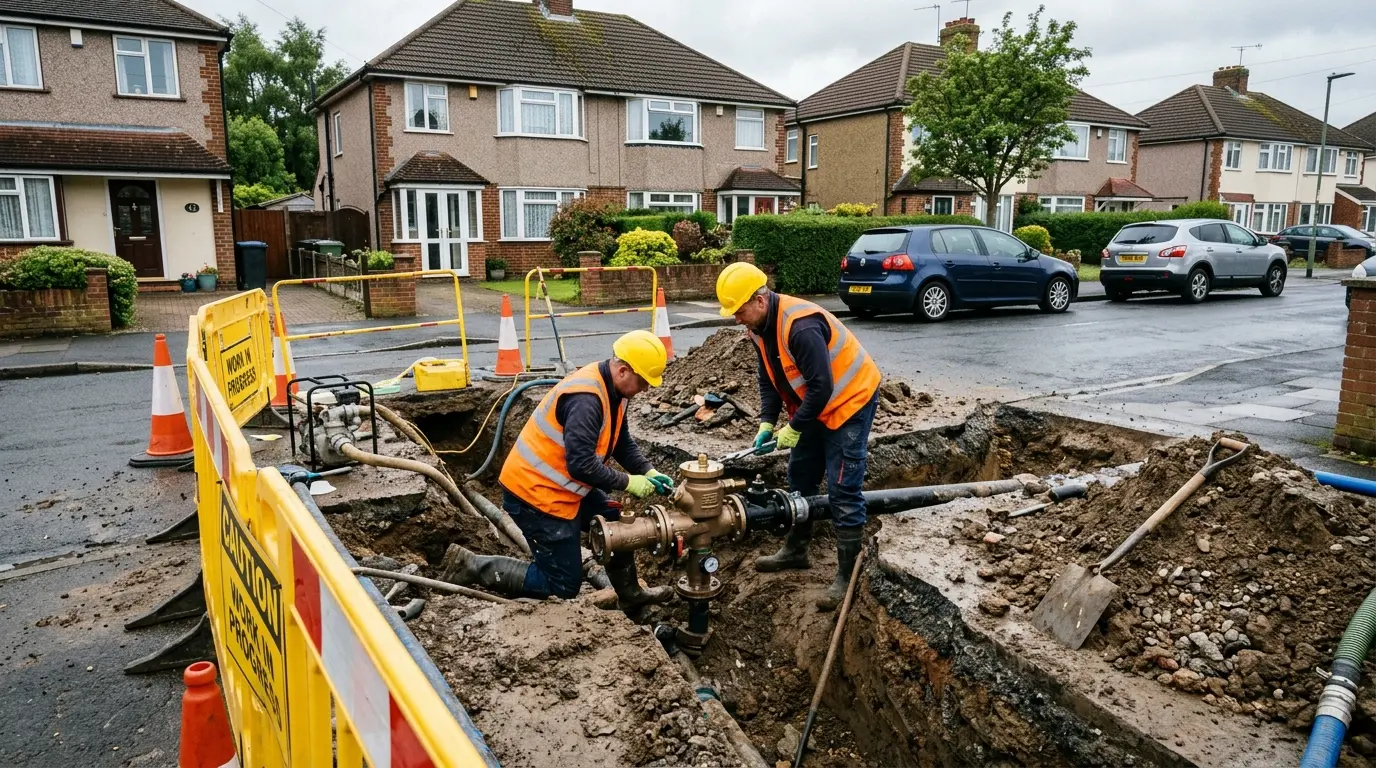
After a heavy storm, that gurgling sound from your toilet or water backing up into your bathtub is a nightmare no Austin homeowner wants. Main line backups after storms are a brutal reality here, especially in older neighborhoods where the soil saturates and sewer lines can collapse. Knowing the right emergency steps can save your home from thousands in damage and a mess that takes weeks to clean up.
Why Austin Storm Events Trigger Sewer Line Failures
Austin’s intense rainfall overwhelms both the city’s drainage system and your private sewer lateral. When the ground becomes completely saturated, water pressure outside your pipes shifts. Cracks or loose joints—common in aging clay or cast-iron lines—allow soil and tree roots to enter. I have seen this happen countless times in properties near Lady Bird Lake, where the water table is high and older homes have unlined clay pipes.
The mixture of heavy rain and root intrusion is a one-two punch. Roots already inside your line swell with water, narrowing the passage. Then storm runoff pushes debris in faster. The result is a sudden, messy backup that often happens hours after the rain stops.
In the neighborhoods east of The University of Texas, many homes built before the 1980s still have original sewer lines. These are especially prone to collapse during heavy rain.
Emergency Steps to Take Right Now
If you see water rising in a floor drain or toilet, act immediately. First, stop all water use in the house. That means no flushing, no showers, no laundry. Turn off your water main if necessary. Second, check your cleanout—usually a white or black pipe sticking out of the ground near the street. If it’s full of water, your main line is blocked.
Third, do not pour chemical drain cleaners down. They will not clear a main line blockage and can harm the septic system or corrode pipes. Call a professional drain cleaning service immediately. Most Austin customers who wait end up paying significantly more for cleanup and repair.
The worst move is ignoring the backup and hoping it clears itself. It won’t. The water will move into your lowest drain—likely a basement or slab foundation trench.
When to DIY vs. Call a Professional
If the backup is minor—say a single sink draining slowly after a storm—you might try a hand-held plunger or a snake on a short run. But a main line backup that affects multiple fixtures is not a DIY job. The Texas State Board of Plumbing Examiners requires a licensed plumber for any work on the public sewer connection. Cutting into a main line without a permit can lead to fines and failed inspections.
I have been to homes in the South Congress area where homeowners tried to clear a root blockage with a rented auger. They only broke the tip off inside the pipe, requiring a full excavation. For main line backups, call a pro who can perform a sewer line inspection first. That tells us exactly where the problem is and whether it’s roots, collapsed pipe, or a shifted joint.
How Professional Hydro Jetting and Inspection Restore Your Line
Once we locate the blockage with a camera, the best solution for storm-related backups is often hydro jetting. This uses high-pressure water to scour the inside of your pipe, washing out all debris and cutting roots. It does not leave a residue like chemicals. It physically cleans the pipe to its original diameter.
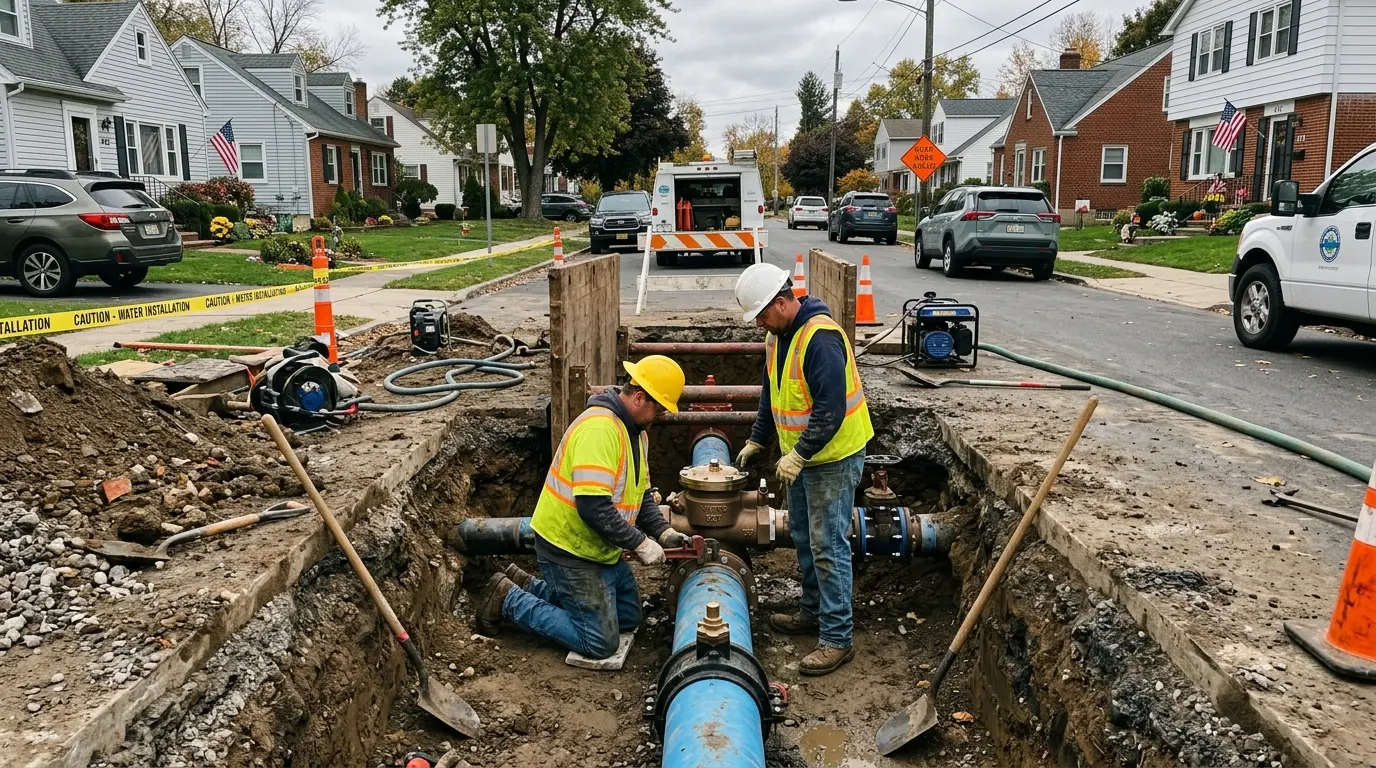
After jetting, we do a second camera pass to verify the line is clear and to check for cracks or offsets. If there is damage, we can recommend a trenchless repair, which avoids digging up your yard. Austin Water requires permits for any sewer work near the right-of-way, so we handle all permitting for you.
A single hydro jetting treatment can restore flow and prevent backups for years—provided you also fix any structural issues.
Long-Term Prevention and Code Compliance in Austin
To stop future storms from causing backups, consider these steps. First, have a sewer line inspection every two years, especially if you live in a neighborhood with large trees like live oaks. Second, install a backwater valve if your home is in a low-lying area. Texas plumbing code requires one in new construction below the flood level, but older homes in Austin often lack them.
Third, keep your gutters and downspouts directing water away from the foundation. Many backups are caused by water pooling around the cleanout. The Plumbing-Heating-Cooling Contractors Association (PHCC) recommends annual maintenance to clear roots before they become a storm-season emergency.
Don’t wait for the next downpour to discover your sewer line is compromised. Contact Austin Drain Pros for a camera inspection and hydro jetting today. We’ve handled storm backups from Zilker Park to Pflugerville, and we know how to get your home flowing again fast.
Main line backup after storms? Emergency steps for Austin homes visuals
Selected images for this page.

Need Drain Cleaning in Austin, TX?
Call or email us directly — we'll get back to you fast.